
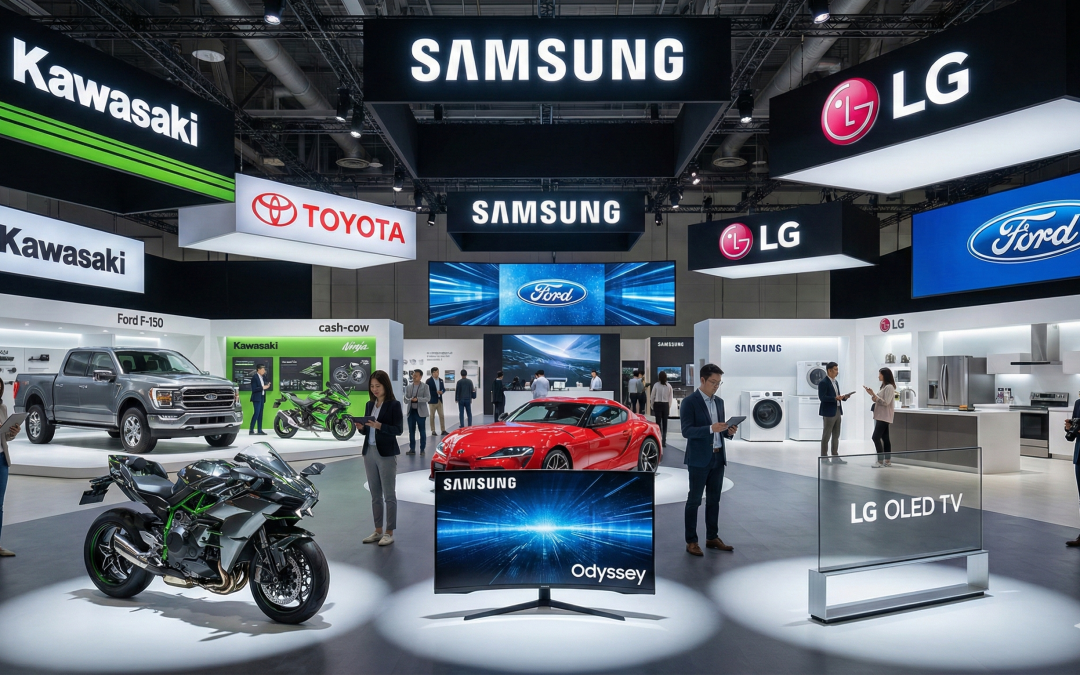
If you walk into a Kawasaki dealership, the first thing that catches your eye isn’t the entry-level commuter bike. It’s the Ninja H2R—a supercharged beast that costs $58,000, isn’t street-legal, and goes 250 mph.
Kawasaki knows you aren’t going to buy it. In fact, they probably lose money on every unit when you factor in R&D. So why do they build it?
Because the H2R makes the $5,000 Ninja 400 sitting next to it feel like it shares the same “supercharged DNA.” This is the core of a sophisticated marketing strategy: Feeding the Cash Cow with the Halo Product.
The Strategy: Brand Lift vs. Volume Sales
In business school, we learn about the “Cash Cow”—the product that generates steady, reliable profit with little investment. For Ford, it’s the F-150; for Samsung, it’s mid-range Galaxy A-series phones.
However, modern brand giants don’t build their image around these workhorses. Instead, they invest heavily in Flagship or Halo products. These are high-performance, high-cost, and often low-volume items designed to:
- Push technical boundaries.
- Capture media attention.
- Create an emotional “lift” for the entire brand.
When a consumer perceives a brand as a pioneer at the “top end,” that prestige trickles down to the mainstream products. You buy the Samsung dishwasher not because of its motor specs, but because Samsung is the company that makes the $150,000 MicroLED TV.
Real-World Examples of the Halo Strategy
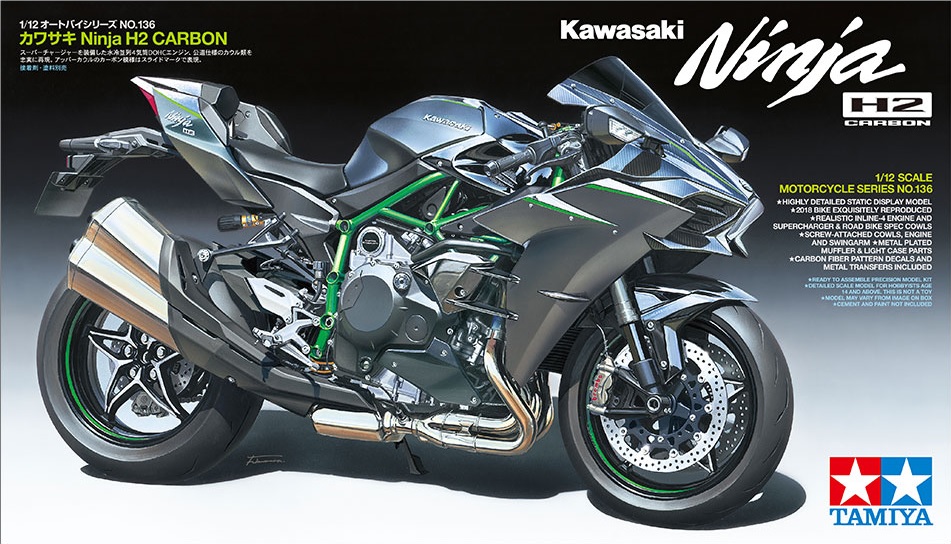
1. Kawasaki: Engineering the “Fastest” Reputation
Kawasaki doesn’t spend its primary marketing budget on its reliable KLR dual-sport bikes. They spend it on the Ninja H2 and their World Superbike racing team.
- The Result: By being “the brand that builds the fastest bike in the world,” every teenager buying their first 250cc bike feels like they are part of a high-performance legacy.
2. Toyota: From Practical to Powerful
For years, Toyota was seen as “beige”—reliable but boring. To change this, they invested in the GR Supra and the GR Corolla.
- The Strategy: These cars don’t make the bulk of Toyota’s profit; the RAV4 and Camry do. But the GR line creates “brand heat,” making Toyota a “cool” choice for younger drivers, which eventually drives sales of their more profitable hybrids.
3. Samsung & LG: The Battle of the “World’s First”
In the appliance and electronics world, Samsung and LG are in a constant arms race for the most absurd flagship. Whether it’s LG’s Rollable TV or Samsung’s Odyssey Ark monitors.
- The Goal: These products serve as proof of “Innovation Dominance.” If LG can make a screen that rolls into a box, you trust them to make a standard 55-inch OLED for your living room.
4. Ford: The GT and the Lightning
Ford spent millions developing the Ford GT supercar to compete at Le Mans. They only built a few hundred.
- The Payoff: The GT served as a laboratory for the EcoBoost engines that now power the Ford F-150 (their primary cash cow). The prestige of the GT “validated” the engine technology for the truck buyers.
Advantages of This Strategy
| Advantage | How it Works |
| Price Premium | When a brand is viewed as “premium” due to its flagship, it can charge more for its basic models than a “value” brand can. |
| R&D Laboratory | Flagships allow engineers to experiment with “no-limit” tech that eventually becomes cheap enough to put in mainstream products. |
| Media Gravity | Journalists don’t write articles about “The New Reliable Dishwasher.” They write about “The Transparent Screen.” This is free PR. |
| Defensive Moat | It’s hard for generic competitors to steal market share when your brand is associated with “The Best in the World.” |
Why should a brand divert funds from its most profitable products to its most expensive ones?
A brand’s “Cash Cow” provides the fuel, but the “Flagship” provides the destination.
If a company only spends money on what is currently selling, they eventually become a commodity—competing only on price until their margins disappear. By investing in the “impossible” products, they ensure that when a customer looks at a mid-range, everyday item, they don’t just see a tool; they see a piece of a legend.
“Understanding the Halo effect is one thing; implementing it without draining your budget is another. If you are willing to learn more about Halo effect marketing and how to apply these enterprise-level strategies to your own business, book a course on Bizmaze today.“